
VA
Retinol
Often selected for visible photoaging, surface renewal and uneven-looking tone. Retinoid sensitivity, pregnancy status and current skincare must be reviewed.
Laser resurfacing
Brighter tone. Refined texture. A clear, evidence-aware guide to candidacy, treatment, recovery, limitations and next steps.

Skin confidence
Every treatment begins with your skin, your comfort and a clear plan—not a one-size-fits-all service.
The Short Answer
LaseMD is a non-ablative thulium laser used in dermatologic procedures. Its cleared indications include soft-tissue coagulation, actinic keratoses and benign pigmented lesions such as age spots, sun spots and freckles. Cosmetic plans are tailored to skin type and concern.

1927 nm thulium technology
LaseMD creates microscopic, non-ablative treatment zones in the skin. The treatment is most directly supported for benign pigmented lesions—including age spots, sun spots and freckles—and for dermatologic procedures requiring soft-tissue coagulation. Settings, treatment density and the number of passes are selected for your skin type, diagnosis and acceptable recovery window.
Personalized treatment enhancement
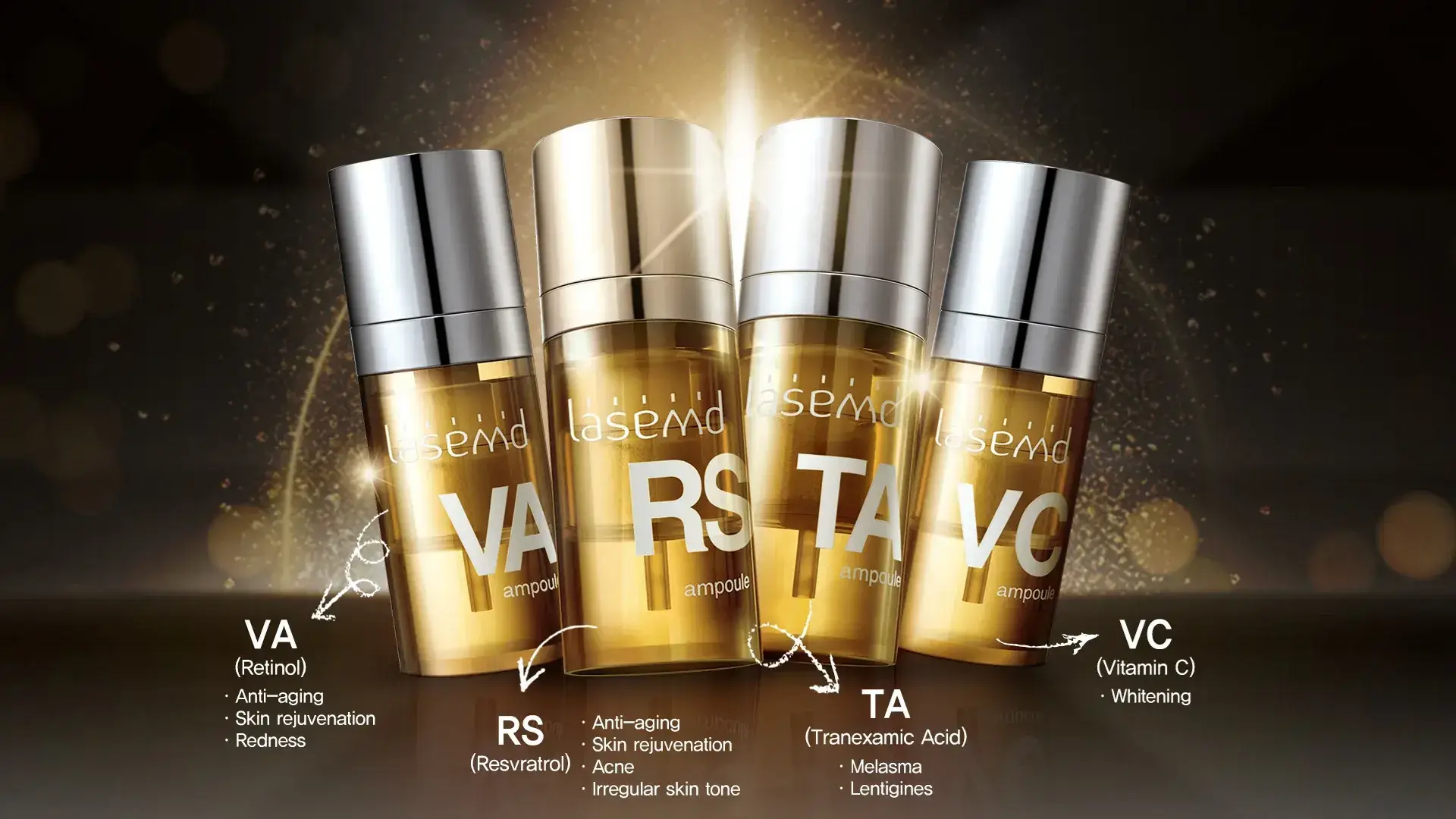
After the laser creates controlled microchannels, your provider may select a topical ampoule based on your skin goals. The pictured product menu includes four options; selection does not guarantee a result and is not a substitute for diagnosis or a home-care plan.
VA
Often selected for visible photoaging, surface renewal and uneven-looking tone. Retinoid sensitivity, pregnancy status and current skincare must be reviewed.
RS
An antioxidant-focused option used in plans for dullness, visible environmental stress and uneven-looking tone.
TA
A pigment-focused option that may be considered for melasma or lentigines. Melasma requires caution because heat and inflammation can worsen it.
VC
An antioxidant and brightening option for a more even-looking, luminous complexion. “Brightening” means improving visible dullness—not changing your natural skin color.
Candidacy
Adults with compatible skin type and pigment or texture goals may be candidates after assessment. Recent tanning, skin sensitivity, melasma history, medications and tendency toward pigment change affect settings and timing.
Treatment may be deferred for active infection, open skin, recent significant sun exposure or tanning, photosensitizing medicines, pregnancy, uncontrolled medical conditions or a history suggesting excessive scarring or pigment complications.
At a Glance
These are practical planning ranges, not promises. Your consultation determines the exact plan.
Often 20–45 minutes
Heat or prickling; topical numbing may be used
Redness and a dry, sandpaper-like feel commonly last several days
Brightness may appear as skin renews over 1–2 weeks
Improvement varies; sun protection and maintenance matter
Often a series of 2–4, based on concern and response
Your Visit
Skin type, pigment pattern, medications and goals are reviewed; suspicious lesions require appropriate evaluation.
The skin is cleansed, eye protection is used and laser energy is delivered in controlled passes.
Post-treatment barrier care and strict sun protection support healing. Pigment may temporarily darken before flaking.
Informed Choice
Temporary redness, swelling, dryness or pigment darkening can occur. Burns, blistering, prolonged pigment change, infection and scarring are uncommon but important risks. Results vary with device, settings, skin type, concern and aftercare; treatment does not stop future aging or sun damage.
Clinical Judgment
Laser safety is more than choosing a setting. Experienced providers identify melasma and lesion patterns, account for skin type and recent exposure, select conservative parameters and manage pigment or burn complications early.
Access & Cost
Consultation and treatment are in-office only.
Pricing: Consultation required. Price depends on area, treatment intensity, number of sessions and whether a combined plan is recommended.
Common Questions
LaseMD is described as a non-ablative thulium laser. It creates controlled treatment zones without the recovery profile of fully ablative resurfacing.
Melasma can be unpredictable and can worsen with heat or inflammation. It requires diagnosis and a cautious, often multimodal plan.
Yes. Avoiding tanning and following broad-spectrum sun protection are essential before and after treatment.
Sources & Medical Review